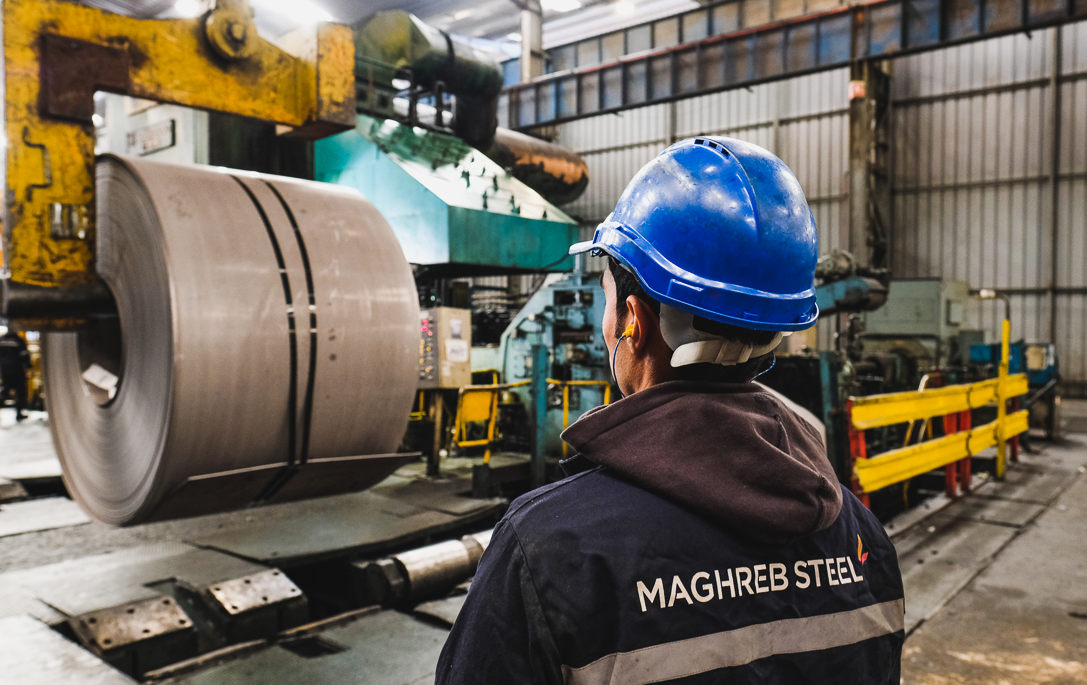
In the mid-2010s, Maghreb Steel was facing serious financial difficulties, which had brought it almost to the brink of liquidation. The cause was the timing of the launch, in 2008, of a new steel plant in the commune of Chellalate, involving an investment of 5.9 billion dirhams, which coincided with an unfavorable global economic context and a severe crisis in the sector, marked by overproduction capacity and intensified competition.
After several years of hardship, the Sekkat family’s steel plant owes its survival to an agreement signed in 2015 with the banks and the State. Recognizing the strategic importance of the steelmaker, the latter intervened by activating the anti-dumping clauses provided by the WTO, in order to protect Maghreb Steel from unfair foreign competition.
In addition to organizing debt repayment, the restructuring plan accompanying this agreement provided for the establishment of a management team independent from the shareholders. But despite the efforts made to optimize the industrial tool and the organization of human resources, this plan quickly showed its limits: costs continued to weigh heavily on a level of production that remained limited.